How to Judge Concentrate Quality: Colour, Smell and Texture
Key takeaways
- Judge a concentrate by three checks: colour, smell and texture. Together they tell you most of what you need before you buy or dab.
- Most clean concentrates run from pale gold to amber. Muddy brown, grey or green is a warning sign.
- Smell is the fastest test. A strong, clear smell means the terpenes are still there; a faint or chemical smell is a reason to pass.
- Each type has its own normal texture, so judge shatter as shatter and rosin as rosin.
- A high THC number alone does not prove quality.
To judge concentrate quality, check three things. Colour: clear gold to amber is good, and dark brown, grey or green is a warning. Smell: it should be strong and clean, never faint or chemical. Texture: it should match what that type is supposed to be, with no crust, oily spots or separation. Those checks cover most of what you need when you pick a concentrate.
Colour: your first check
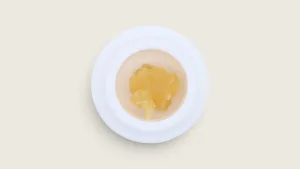
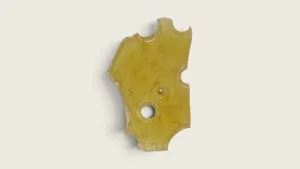
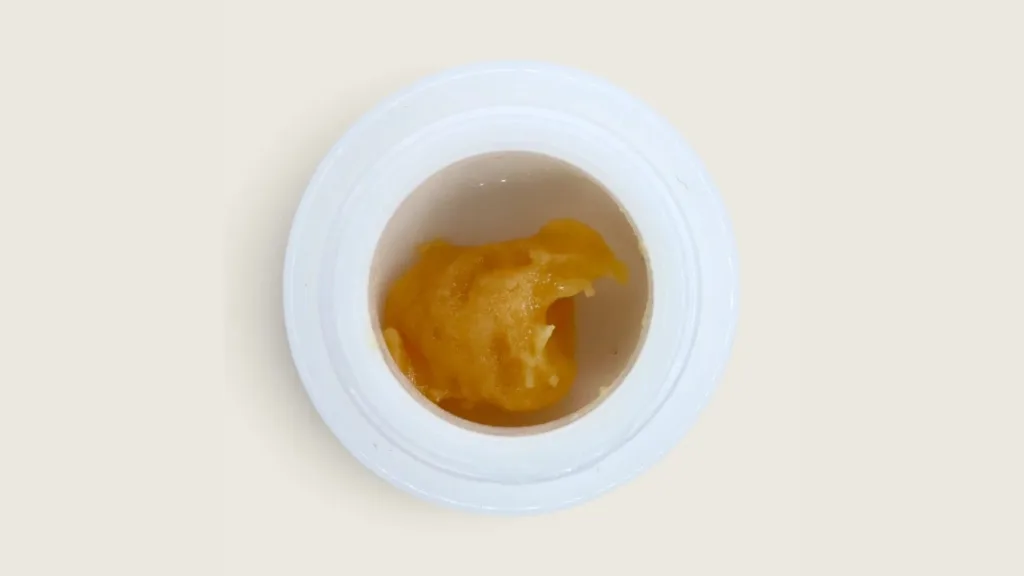
Good concentrates are usually some shade of gold, yellow or amber. A hash rosin pressed from top grade ice water hash often comes out pale gold or cream. Well made BHO (butane hash oil) shatter tends to sit in the honey to amber range.
Dark brown, grey or greenish colour is where you pause. It can mean the starting material was low quality, the extract picked up chlorophyll or plant fats during processing, or it is simply old.
Live resin and sauce can run a little darker than shatter, so a deeper amber on those is not a red flag by itself. Our guide to what live resin is explains why it looks and tastes different.
Texture: what it says about process and freshness
Different concentrates are supposed to look different. Shatter should be glassy and brittle enough to snap. Badder and budder should be smooth and creamy, like soft wax. Rosin can range from sappy to soft and spreadable, depending on how it was pressed and cured. None of that is wrong.
What you do not want is a texture that does not fit the type. Shatter that has gone soft and oily in the middle, without being kept warm, has likely degraded. Rosin that has split into a greasy puddle with a dry crust around the edge is past its best. Crumble that has turned to fine powder has probably lost a lot of its smell along with its texture.
Crystals are a different case. THCA crystals forming in a sauce are a normal sign of a rich extract, not a problem. When those crystals are grown large on purpose, they are sold as diamonds, which our guide to THCA diamonds and sauce explains.
How to judge concentrate quality by smell
Smell is the fastest and most honest test. Open the jar, bring your nose close and breathe in. A good concentrate hits you right away with something strong and clear: fruit, fuel, pine, citrus or earth, whatever the strain brings. It should smell like a concentrated version of good flower, not a faint echo of it.
A weak smell usually means the terpenes, the aromatic oils that carry flavour and smell, have faded. They break down faster than cannabinoids do, so a concentrate that barely smells has usually been stored badly, processed too hot or is simply old.
An off smell is a harder stop. Anything chemical, solvent like or musty is a problem. Any solvent smell on a BHO product, even a faint one, is a reason to pass, because it can mean the solvent was not fully purged.
Solventless and solvent based: different standards
How a concentrate was made changes what quality looks like, so it helps to know which kind you are holding.
Solventless extracts, such as rosin, ice water hash and dry sift, use no chemical solvents. Their quality comes almost entirely from the starting material and the process: the better the flower or hash going in, the better what comes out.
Solvent based extracts use butane, propane, CO2 or a similar solvent to pull cannabinoids and terpenes from the plant. Done well, they can be very clean and very potent. Done poorly, they can leave solvent behind, or lose so many terpenes that you get something strong but flat. Our guide to cannabis concentrates compares the two methods side by side.
| Type | What good looks like | Red flags |
|---|---|---|
| Rosin | Pale gold to amber, sticky and even, strong smell | Dark colour, separation, weak smell |
| Shatter (BHO) | Clear amber, glassy, snaps cleanly, no solvent smell | Murky, soft spots, chemical smell |
| Live resin and sauce | Pungent, gold to deeper amber, visible crystals are normal | Dull smell, muddy brown or greenish tint |
| Ice water or bubble hash | Light tan to blonde, powdery or slightly waxy, strong smell when warmed | Dark green, smells like plant material, will not melt cleanly |
For rosin made from hash, see hash rosin vs live rosin, which explains how the two differ.
THC numbers are not the whole story
A sky high THC percentage on a label is not proof of quality. It is one number from one test. It says nothing about the terpenes, the freshness, or how the product was stored before it reached you. A rosin with a full, loud smell can be the better buy over a heavily refined extract with a bigger THC number.
Concentrates are strong in every format, so start low and go slow.
Storage clues
Heat, light and air break terpenes down first and potency after. A concentrate that looks sweated, or has clearly been warm, has already lost some of what made it good. Rosin is especially sensitive.
Once it is yours, keep it in an airtight glass jar somewhere cool and dark. Silicone is fine for a few days, but over longer stays it soaks up some terpenes, and glass does not. Room temperature is fine for about a week; past that, keep it in the fridge, and let the sealed jar warm back to room temperature before you open it so moisture does not condense inside.
Where to shop by type
Frequently asked questions
What colour should good concentrate be?
Most clean, well made concentrates fall between pale gold and deep amber. Dark brown, green or grey tones are worth questioning. Live resin and sauce can run a little darker and still be good.
Does a weak smell always mean low quality?
Not always, but it is a strong signal. Terpenes break down faster than cannabinoids, so a concentrate that barely smells has usually lost much of what made it good.
Is shatter better than rosin?
Neither is better by default. They are made in different ways, and quality varies a lot within each type. Judge each one by the checks above.
Why does my concentrate look different from the photos?
Temperature, moisture and age all change how a concentrate looks and feels. Rosin can go from sappy to firmer when it is kept cold. Small changes are normal; big colour changes or obvious separation are more of a concern.
Does a high THC percentage mean stronger effects?
Not reliably. The THC percentage measures one cannabinoid from one test. Freshness and how the product was stored also shape what you get from it.