Hash Rosin vs Live Rosin: What’s Actually Different and Which One Hits Harder
Key takeaways
- Hash rosin is any rosin pressed from ice water hash, and live rosin is hash rosin made from fresh-frozen plants. Cured hash rosin starts with dried, cured cannabis that’s washed into bubble hash, then pressed. Live rosin starts with fresh-frozen plant material that’s washed into ice water hash, then that hash is pressed.
- Live rosin preserves more of the plant’s aromatic compounds (terpenes) because the fresh flower is frozen right after harvest before any drying happens.
- Cured hash rosin still hits clean and strong, with a more mellow flavour. Live rosin is typically the pricier, more flavour-forward option.
- Both are made without solvents, so what you’re getting is just plant material, heat, and pressure.
- Neither is objectively “better.” The right pick depends on the flavour you’re after, since potency is about the same.
Hash rosin vs live rosin comes down to one core difference: what the hash gets washed from. Hash rosin is any rosin pressed from ice water hash, and live rosin is hash rosin made from fresh-frozen plants, so the real comparison is cured hash rosin vs live hash rosin. Cured hash rosin uses hash washed from dried, cured plants. Live rosin uses fresh-frozen material, meaning the plant gets frozen right after the chop and washed later, straight from frozen, before it ever dries out. Below, “hash rosin” means the cured kind.
Both are solventless concentrates, meaning no butane, no ethanol, no solvents of any kind. Just ice water, heat, and a press. That matters for flavour and cleanliness, and it’s a big part of why these two sit at the top of the concentrate shelf.
How hash rosin is made
Cured hash rosin starts with dried and cured flower or trim. That material gets agitated in ice water through screens, which strips the trichomes (the sticky crystals on the outside of the bud that hold all the good stuff) off the plant. What you collect is bubble hash, a concentrate on its own. Then that bubble hash gets pressed under low heat and pressure through filter bags, and out comes rosin.
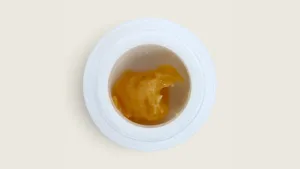
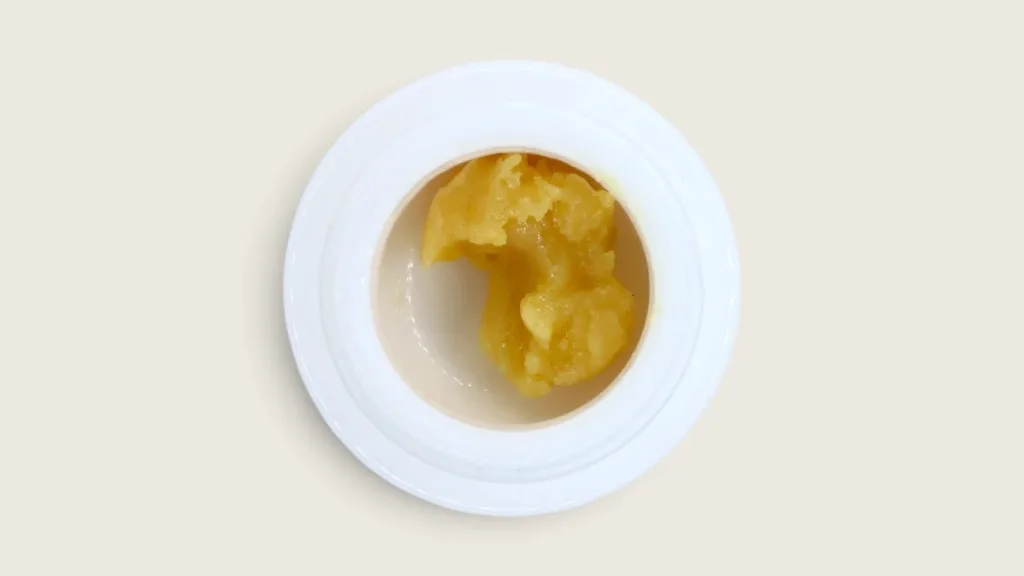
The drying and curing before the wash means some of the lighter, more volatile aromatic compounds have already faded. You still get a strong, flavourful product, but the terpene profile is a bit more mellow compared to live. The colour often lands somewhere in the golden-to-amber range, and the texture can vary from a soft butter to something closer to a badder or a crumble, depending on how it’s finished after the press.
Hash rosin is strong. Don’t let the more mellow flavour fool you into thinking it’s a step down. A good run of six-star bubble hash pressed into rosin is still one of the cleanest, hardest-hitting things you’ll find on a concentrate menu.
How live rosin is made
Live rosin adds one major step at the very beginning: the fresh plant material is frozen immediately after harvest, before it has a chance to dry. That freezing keeps more of the fresh plant’s terpenes, the same aromatic compounds that give fresh cannabis its sharp, bright smell.
From there, the process looks similar. The frozen material gets washed in ice water to collect ice water hash (also called bubble hash or full melt), and that hash then goes through the press. Because the plant never dried out, the resulting rosin carries a much more vivid, complex flavour profile. You’ll notice it on the first inhale.
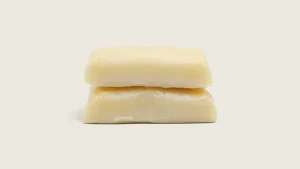
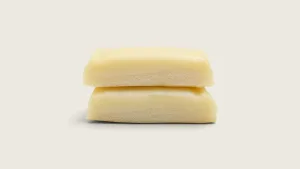
The texture on live rosin is often creamier and lighter in colour than hash rosin, though this varies a lot by strain and maker. It’s also typically pricier because the fresh-frozen process is more labour-intensive, the yield is lower, and you need high-quality starting material to begin with.
Side-by-side: hash rosin vs live rosin
| Factor | Hash Rosin (cured) | Live Rosin (fresh-frozen) |
|---|---|---|
| Starting material | Hash washed from dried, cured flower or trim | Hash washed from fresh-frozen flower |
| Process | Dry and cure → ice water wash → press | Freeze at harvest → ice water wash → press |
| Terpene preservation | Good, but some fade during drying | Excellent, keeps more of the fresh plant’s terpenes |
| Typical colour | Golden to amber | Light gold to creamy white |
| Typical texture | Badder, crumble, or butter | Creamy, whipped, or sauce-like |
| Flavour intensity | Strong, slightly more subdued | Vivid, bright, very strain-forward |
| Potency | Very high | Very high |
| Price point | More accessible | Premium |
| Solvents used | None | None |
Which one actually hits harder?
They’re close in strength. Both sit near the top of the potency range for concentrates. The difference isn’t really in how hard they hit. It’s in how they taste getting there.
If flavour is your main thing, live rosin is the clear pick. Fresh-frozen material keeps more of those lighter, brighter terpenes, the ones that give certain strains that sharp citrus or fuel smell. You taste the strain more clearly in live rosin. Our concentrates guide goes further into why terpenes matter so much in concentrates.
If you want something just as clean and strong with a slightly more mellow flavour, hash rosin makes a lot of sense. A well-made batch from quality bubble hash still has great flavour and serious punch. It’s the everyday driver for a lot of concentrate fans.
What to look for in a good batch
Regardless of which you’re buying, the starting material is everything. Rosin made from low-grade trim or mediocre flower will be mediocre rosin. The best cured hash rosin comes from well-grown, properly cured bud that was washed at the right grades. The best live rosin comes from fresh-frozen material that was high-quality to begin with, handled fast, and processed carefully.
Colour is a rough tell. A paler, cleaner look usually means cleaner starting material and a careful press. Very dark rosin isn’t automatically bad, but it can point to plant matter contamination or heat that was too high during pressing. Texture should be consistent throughout a jar, no greasy separation and no gritty chunks.
You can also check out what the sauce and HTFSE world looks like if you’re curious about solvent-based concentrates that preserve terpenes in a similar way, just through a different route entirely.
Tip: Store your rosin in a sealed glass jar in the fridge or freezer. Heat and light break down the flavour. Kept cold, a good batch holds its flavour and consistency much longer than if it just sits on a shelf at room temperature.
Ready to pick one up?
You can browse our bulk concentrates section. Free express shipping on orders over $149, and you can pay with Interac e-Transfer, credit card or USDT on Tron at checkout.
Frequently asked questions
Is live rosin always better than hash rosin?
Not automatically. Live rosin has a brighter, more vivid terpene profile because of the fresh-frozen starting material. But a great batch of hash rosin from quality bubble hash can absolutely outperform a mediocre live rosin run. Starting material and process matter more than the label.
Are both of these actually solventless?
Yes. Neither hash rosin nor live rosin uses chemical solvents like butane or ethanol at any point. The extraction is done with ice water and mechanical separation, then heat and pressure in a press.
Why is live rosin so much more expensive?
A few reasons stack up. The fresh-frozen process requires freezing and handling the plant immediately after harvest, which adds labour and logistics. The ice water wash on fresh-frozen material also tends to yield less usable hash per pound than dried material. And you need very high-quality flower to make it worth the effort. All of that adds up to a higher price.
How should I consume hash rosin or live rosin?
A dab rig with a quartz banger at lower temperatures gets the most out of either, especially live rosin where you want to taste those terpenes. Many people also use a portable e-rig or add a small amount to a bowl or joint. Start low, go slow, especially if you’re newer to concentrates. These are strong.
What’s the difference between rosin and resin?
Rosin (made with heat and pressure, no solvents) and resin (often refers to live resin, which is made with solvents from fresh-frozen material) are two different things that get mixed up constantly. The short version: rosin is solventless, live resin is not. For a fuller breakdown of how solvent and solventless concentrates differ, see our guide to solventless vs solvent concentrates.
Can I tell the difference just by looking at the two?
Often, yes. Live rosin tends to be lighter in colour, sometimes an almost creamy or pale gold, and usually has a softer, creamier texture. Hash rosin often comes out more amber-coloured and can range from a soft butter to a firmer badder or crumble. That said, colour and texture can vary a lot between makers and strains, so the look is a clue, not a guarantee.