Solventless vs Solvent Concentrates: What’s Actually Different and Which One’s Right for You
Key takeaways
- Solventless concentrates (hash, rosin) are made with heat, pressure, and water, no chemical solvents involved.
- Solvent-based concentrates (shatter, live resin, wax) use a chemical like butane or CO2 to strip the good stuff from the plant, then purge it out.
- Both can be clean and potent, the difference is in the process, the flavour, and what some people prefer to put in their bodies.
- Solventless tends to cost more because it takes more time and top-quality starting material.
- Neither is automatically “better”, it really comes down to what you’re after.
Solventless concentrates are made without any chemical solvents, just mechanical force, water, or heat and pressure. Solvent-based concentrates use a chemical agent like butane or CO2 to pull the cannabinoids and terpenes (the compounds that get you high and give the product its smell and flavour) from the plant, then remove that chemical before the product reaches you.
What “solventless” actually means
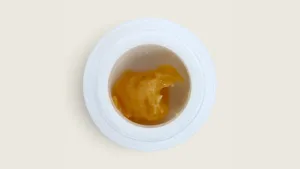
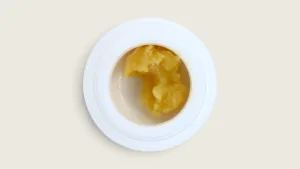
Solventless means the extraction process never used a chemical solvent. That’s it. The main types you’ll see are hash (pressed or sifted trichomes, those are the tiny resin glands on the flower), bubble hash (made by agitating frozen cannabis in ice water, then filtering it), and rosin (bubble hash or flower pressed under heat and pressure until the oil squeezes out).
Because there’s no chemical in the process, what you get in the final product is pretty much just what was in the plant to begin with. Great starting material, great result. Mediocre starting material, mediocre result.
Rosin in particular has gotten a serious following among people who care about clean, full-flavoured concentrates. It keeps more of the original terpene profile intact, which means the smell and taste are closer to the actual flower it came from. If you’ve ever had a dab that tasted like the best version of a strain you love, there’s a good chance it was rosin or a high-quality hash.
How solvent-based concentrates are made
Solvent extraction uses a chemical, butane, propane, ethanol, or CO2 are the common ones, to wash over the plant material and pull out the cannabinoids and terpenes. That liquid is then collected and the solvent is removed through heat, vacuum, or a combination of both. What’s left is the concentrate.
Done properly, the finished product has no meaningful solvent residue. Reputable producers test for residual solvents and hit very low numbers. The concern about solvent concentrates isn’t really about danger from a good producer, it’s more about consistency across the whole market.
The big names you’ll see in this category include shatter (a hard, translucent slab), wax, budder, and crumble (different textures based on how the oil was agitated after extraction), and live resin (made from flash-frozen fresh flower, which locks in more terpenes than dried material). Live resin sits near the top of the solvent category for flavour and potency, it’s often described as the closest a solvent product gets to the smell and taste of fresh bud.
For a broader look at how all of these formats fit together, the Cannabis Concentrates: The Complete Guide breaks it all down.
Solventless vs solvent concentrates: side by side
| Factor | Solventless | Solvent-Based |
|---|---|---|
| How it’s made | Heat, pressure, ice water, no chemicals | Butane, CO2, ethanol, then purged out |
| Common formats | Hash, bubble hash, rosin, dry sift | Shatter, wax, budder, live resin, crumble |
| Flavour profile | Very close to the original flower | Good to excellent, especially live resin |
| Potency | High, especially with quality starting material | Very high, often consistent across batches |
| Price point | Usually higher | Usually lower to mid-range |
| Purity concerns | Very low, no solvent to worry about | Low with a reputable producer who tests residuals |
Which one hits harder?
Both categories can reach serious potency. It’s not accurate to say one is stronger across the board. Potency depends on the quality of the starting material, how well the extraction was done, and the specific product. A well-made rosin from top-shelf flower can absolutely keep up with or outpace a mediocre solvent extract.
That said, solvent extraction is very efficient at pulling cannabinoids out of the plant, which is part of why shatter and similar products can hit extremely hard. Live resin especially tends to be both potent and flavourful because the terpenes (which many people feel shape the high) are preserved better than in older extraction methods.
Start low, go slow, concentrates as a category are significantly stronger than flower, and that applies to both solventless and solvent products.
Why solventless usually costs more
A few reasons. First, it takes more plant material to produce the same amount of finished product. Rosin yields are lower than solvent extraction yields, so you need more quality flower to start with. Second, the process is more hands-on and time-consuming, especially for ice water hash. Third, because there’s no chemical shortcut, the quality of the input really shows up in the output, which means producers making good solventless work are usually sourcing or growing very carefully.
You’re paying for the process and the plant. That’s a fair trade if clean, full-flavoured concentrates are what you’re after. If you just want something strong and consistent at a better price point, solvent-based concentrates from a producer who tests their product are a completely reasonable choice.
What to actually look for when you’re buying
For solventless: look for hash or rosin that lists its starting material clearly. Ice water hash made from fresh-frozen flower (sometimes called live rosin when pressed from that hash) is the top of the category. Colour matters too, lighter colour is often a sign of fresh material and a careful wash, but it isn’t a hard rule.
For solvent-based: stick with producers who are transparent about their process and test for residual solvents. Live resin is a step up from older dried-and-cured extractions for flavour. If you want to go even further down the rabbit hole on potency-focused formats, check out what THCA diamonds are all about, those are one of the most concentrated products you’ll find in the solvent category.
Either way, you can browse what we carry in our Bulk Concentrates section and see the options side by side.
Frequently asked questions
Is solventless always safer than solvent-based concentrates?
Not automatically. The concern with solvent concentrates is residual chemicals in the final product, but a reputable producer purges the solvent thoroughly and tests the finished product. If you’re buying from someone who’s transparent about their process, the residual solvent risk is very low. Solventless avoids that concern entirely, but “safer” isn’t guaranteed just because something says solventless on the label.
Does solventless taste better?
Many people think so, and there’s a real reason for it. Because no chemical touches the plant, and ice water hash and dry sift skip heat entirely, more of the original terpenes tend to survive. That usually means a more accurate, fuller flavour. That said, high-quality live resin can taste exceptional too, it’s not a clean sweep for solventless.
Can I use both types in the same way?
Mostly yes. Both can be dabbed, added to a bowl or joint, or used with a vape pen if the format fits. Rosin and some hash formats are a little stickier and less forgiving than shatter or crumble to handle, but the consumption methods are the same. Just make sure your setup matches the texture of the product.
Why does live resin keep coming up as a top pick in the solvent category?
Because the starting material is flash-frozen fresh flower instead of dried cannabis. Drying and curing degrades terpenes over time. Skipping that step and going straight to extraction preserves a lot more of the original aroma and flavour compounds, which is why live resin often smells and tastes closer to fresh flower than other solvent products do.
Is rosin the same as live rosin?
Close, but not the same. Regular rosin is pressed from dried flower or dry sift hash. Live rosin is pressed from ice water hash that was made from fresh-frozen flower, so it preserves more terpenes, smells and tastes more vibrant, and is generally the most sought-after (and most expensive) solventless format. Both are solventless; live rosin is just the premium tier of the category.
What’s the right concentrate format for someone new to dabs?
Something approachable in texture and potency. Budder is often recommended for newer dabbers because its soft texture is easy to handle and the flavour is enjoyable. Start low, go slow, concentrates hit much harder than flower regardless of which category they’re from.