How to Judge Concentrate Quality: What Actually Matters
Key takeaways
- Colour is your first clue: clean concentrates run from pale gold to amber, never muddy brown or grey.
- Texture tells you a lot about how it was made and how fresh it is, look for consistency, not crust or separation.
- Smell is the fastest quality check; weak or off-putting smell usually means the good stuff has already degraded.
- Solventless extracts (rosin, hash) and solvent-based extracts (BHO, shatter) have different quality markers, know which one you’re holding.
- High THC numbers on a label don’t automatically mean the best experience; the full profile matters more than one figure.
To judge concentrate quality, check the colour (clear gold to amber is good, dark brown or green is a warning), smell it for strength and cleanliness, and look at the texture for consistency. That covers most of what you need right at the point of purchase.
Once you know what each of those signals actually means, you’ll stop guessing and start picking better product every time. Here’s the full breakdown.
Colour: Your First Quality Check
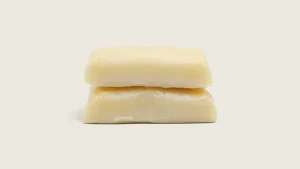
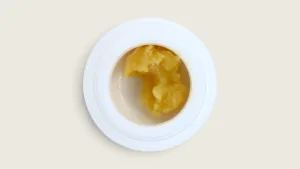
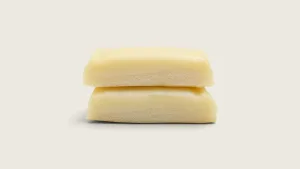
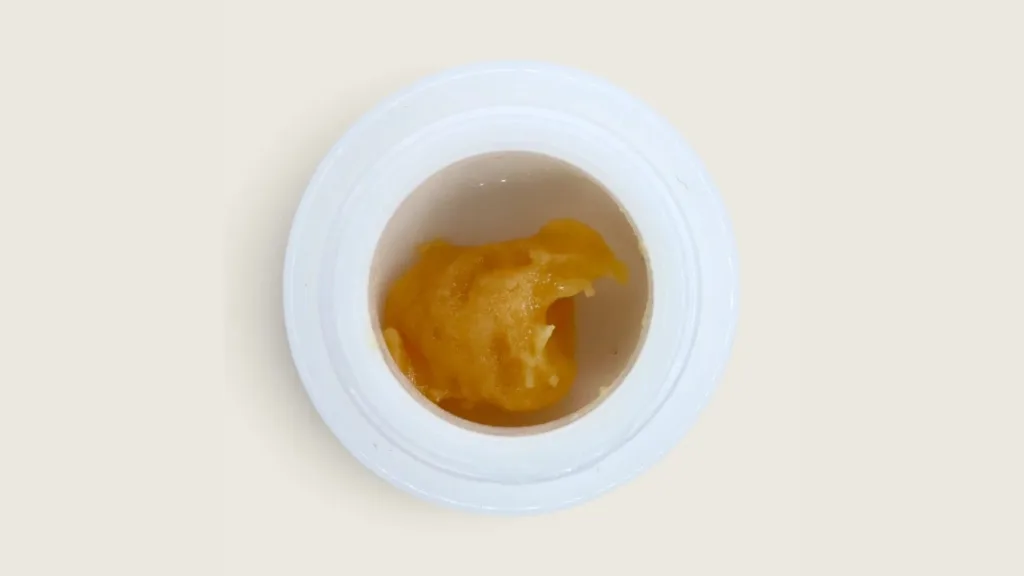
Good concentrates are generally some shade of gold, yellow, or amber. The lighter end of that range usually means cleaner extraction and fresher starting material. A hash rosin pressed from top-grade flower often comes out pale gold or cream-coloured. A well-made BHO (butane hash oil) shatter tends to land in that honey-to-amber zone.
Dark brown, grey, or greenish colour is where you want to pause. It can mean the starting material was low quality, the extract picked up chlorophyll or plant fats during processing, or it’s simply old. None of those are what you’re after.
Live resin and sauce sit a bit darker than shatter by nature because they hold more of the plant’s original compounds, so a deeper amber on those isn’t automatically a red flag. Context matters. If you want a deeper look at what live resin actually is, this plain-English guide to live resin breaks it down.
Texture: What It Tells You About Process and Freshness
Texture is where a lot of people get confused because different types of concentrate are supposed to look different. Shatter should be glassy and snap-brittle. Badder or budder should be smooth and creamy, like soft wax. Rosin can range from a sappy pull-and-snap to a soft, spreadable consistency depending on how it was pressed and cured. None of that is wrong.
What you don’t want is unexpected texture. Shatter that’s gone soft and oily in the middle without being stored warm has likely degraded. Rosin that’s separated into a greasy puddle with a dry crust around the edge is past its best. Crumble that’s turned to fine powder has probably lost a lot of its smell and potency along with the texture change.
Sugar or crystalline concentrates are a slightly different case. THCA crystals forming in a sauce, for example, are a sign of a full, rich extract rather than a problem. Those crystals are concentrated cannabinoids. If you want to get into how that works, this breakdown of cannabis sauce and HTFSE covers it well.
How to Judge Concentrate Quality by Smell
This is the fastest and most honest quality test. Open the container, get your nose close, and breathe in. A good concentrate should hit you right away with something strong and recognisable, fruit, fuel, pine, citrus, earth, whatever the strain brings. It should smell like a concentrated version of good flower, not a faint echo of it.
Weak smell almost always means terpenes have been lost. Terpenes are the aromatic oils in cannabis that carry most of the flavour and a big part of the overall effect. They’re fragile, and they degrade faster than cannabinoids do. A concentrate that barely smells is one that’s been poorly stored, processed too hot, or is simply old.
Off smells are a harder stop. Anything chemical, solvent-like, or just musty is a problem. A faint solvent smell right after opening a brand-new BHO product can sometimes dissipate, but a persistent chemical smell usually means incomplete purging. You don’t want that.
Solventless vs. Solvent-Based: Different Standards
How a concentrate was made changes what “quality” actually looks like, so it helps to know which category you’re dealing with.
Solventless extracts, rosin, ice water hash, dry sift, use no chemical solvents. Quality here comes almost entirely from the source material and the process. The better the flower or hash going in, the better what comes out. You can read more about the differences in our guide to solventless vs. solvent concentrates.
Solvent-based extracts use butane, propane, CO2, or similar to strip cannabinoids and terpenes from the plant. Done well, these can be incredibly clean and potent. Done poorly, they can leave residual solvents or strip out so many terpenes that you’re left with something strong but flat.
| Type | What good looks like | Red flags |
|---|---|---|
| Rosin | Pale gold to amber, sticky and consistent, strong smell | Dark colour, separation, weak smell |
| Shatter (BHO) | Clear amber, glassy, snaps cleanly, no solvent smell | Murky, soft spots, chemical smell |
| Live Resin / Sauce | Terpy, pungent, bright colour, visible crystal development normal | Dull smell, dark or greenish tint |
| Ice Water / Bubble Hash | Light tan to blonde, powdery or slightly waxy, strong smell when warmed | Dark green, plant-material smell, won’t melt cleanly |
For a detailed comparison of hash rosin vs. live rosin specifically, this article covers what’s actually different between them and which hits harder.
THC Numbers Are Not the Whole Story
A label showing a sky-high THC percentage is not proof of quality. It’s one number from one test. What that number doesn’t capture is the terpene content, the freshness, how complete the cannabinoid profile is, or how the product was stored before it reached you.
Many experienced consumers will take a lower-THC rosin with a full, rich terpene profile over a heavily refined distillate with a massive THC number. The rosin hits rounder and the experience lasts longer. THC percentage is a starting point for a conversation, not the finish line.
That said, concentrates are strong across the board. Start low, go slow, regardless of the format.
Storage and Handling Clues
You can often tell a lot about how a product was stored just by looking at the packaging and the product itself. Concentrates stored in silicone containers hold up reasonably well, but glass is better for anything you’re keeping more than a few days. Heat and light are the main enemies; both will degrade terpenes and eventually the potency too.
A product that arrives looking sweated or has clearly been warm at some point has already taken a hit. Rosin in particular is sensitive. Pressing is only half the job; how it’s stored after pressing determines a lot of what you actually experience.
If you’re new to concentrates and want a wider overview before getting into the specifics, Cannabis Concentrates: The Complete Guide is a solid place to start. Ready to browse? Shop Bulk Concentrates to see what we’re carrying right now.
Frequently asked questions
What colour should good concentrate be?
Most clean, well-made concentrates fall somewhere between pale gold and deep amber. Lighter usually means a cleaner extraction. Dark brown, green, or grey tones are worth questioning.
Does weak smell always mean low quality?
Not always, but it’s a strong signal. Terpenes degrade faster than cannabinoids, so a concentrate that barely smells has usually lost a lot of what made it good. Fresh, high-quality product should hit you with a clear, strong smell right away.
Is shatter better than rosin?
Neither is automatically better. They’re different products made different ways, and quality within each type varies a lot. A top-tier rosin will beat mid-grade shatter, and vice versa. Judge each one on its own merits using the markers above.
Why does my concentrate look different from the photos online?
Temperature, humidity, and age all change how a concentrate looks and feels. Rosin can shift from sappy to more solid depending on how cold it’s been stored. Some natural variation is normal; big changes in colour or obvious separation are more of a concern.
Can I judge quality without trying it?
You can get pretty close using colour, smell, and texture. Those three together tell you most of what you need before you ever take a puff. The full picture does come from actually trying it, but a quick sensory check before you commit goes a long way.
Does a high THC percentage mean stronger effects?
Not reliably. THC percentage measures one cannabinoid. The terpene content, the freshness of the extract, and the full cannabinoid profile all shape what you actually feel. A rich, full-spectrum extract often delivers a stronger, more complete experience than a highly refined product with a bigger number on the label.