Cannabutter Potency Per Stick: How Much Weed Goes Into One Block of Butter
Key takeaways
- Cannabutter potency per stick comes down to three things: how much flower you use, the THC percentage of that flower, and how efficiently your infusion pulls those compounds into the fat.
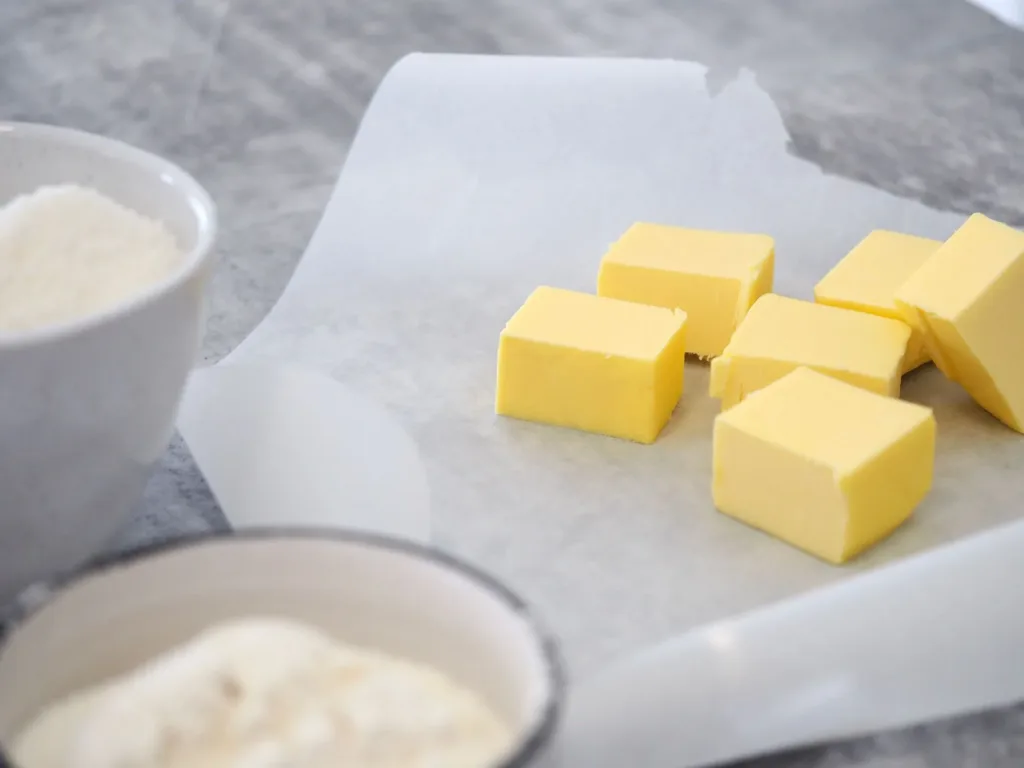
- One standard stick of butter (half a cup / 113 g) can only absorb so much THC, using more weed than the fat can hold doesn’t automatically make it stronger.
- Decarboxylation (heating your flower first to activate the THC) is the step most people skip, and skipping it means weak butter no matter how good your bud is.
- The flower’s THC percentage matters a lot, starting with stronger bud means a stronger infusion, all else being equal.
- Homemade cannabutter potency is always an estimate, not a precise number, so going slow when you eat it is the smart move.
Cannabutter potency per stick isn’t a fixed number you can look up, it depends on how much flower you put in, how strong that flower is, and how well your infusion actually works. Here’s how to think through each part so you’re not guessing in the dark.
What actually determines how strong your cannabutter is
Three things drive potency: the amount of cannabis, its THC percentage, and how much of that THC ends up in the butter versus getting lost in the process. You can nail two of them and still get weak butter if you botch the third.
The flower you start with
This is the biggest lever. A gram of flower with a high THC percentage has a lot more to give than a gram of something mild. If you’re making cannabutter for the first time and you want something genuinely strong, starting with premium flower with a solid THC percentage is going to put you in a much better position than reaching for the cheapest bag you can find. The bud quality going in directly shapes what comes out.
If you’re making a larger batch and don’t need maximum potency, bulk flower can work well and keeps the cost down. Just know what percentage you’re working with so you can make a reasonable estimate.
How much flower per stick
Most home recipes call for somewhere between 3.5 g and 7 g of flower per stick of butter (half a cup). A lot of people treat 3.5 g as a moderate-strength starting point and 7 g as the stronger end of a standard home batch. Going above 7 g doesn’t necessarily mean proportionally stronger butter, fat can only hold so many cannabinoids, and past a certain point you’re wasting flower.
The “right” amount depends on what you want the end product to be. If one stick is going into 24 cookies, you want to think about how much you’d want in each cookie, then work backwards to figure out how much total THC you’re aiming for in the whole stick.
Decarboxylation, the step you can’t skip
Raw cannabis has THC in a form called THCA. It’s not the form that gets you high. Heat converts THCA into THC, that’s what decarboxylation means. If you just throw raw ground flower straight into melted butter, most of that potential potency stays locked up and your cannabutter ends up weak.
To decarb: spread your ground flower on a baking sheet and bake it at around 110-120°C (230-250°F) for roughly 30-45 minutes, until it looks lightly toasted and the smell goes from fresh and grassy to more nutty and earthy. Then proceed with the infusion. That step makes an enormous difference.
Tip: Line your baking sheet with parchment before decarbing. It keeps the material together, makes it easier to transfer, and cuts down on waste.
A rough worked example: estimating cannabutter potency per stick
Let’s say you’re using 7 g of flower with a THC percentage of 20%. Here’s a simplified way to estimate what you’re working with, keeping in mind this is always an approximation, not a lab result.
| Variable | Figure |
|---|---|
| Flower used | 7 g |
| THC percentage | 20% = 200 mg THC per gram = 1,400 mg total in 7 g |
| Estimated infusion efficiency (typical home method) | Roughly 60-80% extraction in a good home infusion |
| Estimated THC in the finished stick | Somewhere in the ballpark of 840-1,120 mg for the whole stick |
| Per tablespoon (1 stick = ~8 tbsp) | Roughly 105-140 mg per tablespoon |
That’s a strong stick of butter. One tablespoon in a recipe is a lot for most people. A recipe that calls for half a stick of butter and makes 12 portions would put each portion somewhere around 35-47 mg, still very much on the strong end. This is why the math matters before you start baking.
If you’re newer to edibles or you want something more dialled-in and consistent, picking up a product from the Gummies & Edibles section means the potency is already calculated for you on the package.
Infusion method and how it affects potency
Even with great flower and a proper decarb, your infusion technique affects how much THC actually makes it into the fat.
A slow, low-temperature simmer (keeping the butter and water mixture well below boiling, around 70-85°C) for two to three hours generally pulls more out than a quick high-heat melt. Too much heat degrades THC rather than extracting it, so patience pays off here. Some people use a slow cooker on low for six to eight hours, which works well and is hard to overheat. A purpose-built infusion machine (the kind that controls temperature automatically) tends to get more consistent results than stovetop methods because it keeps things steady throughout.
Straining matters too. A fine mesh strainer or a cheesecloth gets the plant material out cleanly. Squeezing that plant material hard at the end does pull a little more fat through, but it can also push through more chlorophyll, which makes the butter taste more green and grassy. Your call on whether that bothers you.
Why your homemade potency estimate is always a ballpark
The THC percentage on your flower’s label is a starting point, not a guarantee. Cannabis potency can vary across a batch, decarb efficiency depends on your oven and how evenly you spread the flower, and infusion efficiency varies with temperature control, fat quality, and time. Add it all up and a homemade cannabutter can easily land 20-30% higher or lower than your estimate.
That’s not a reason to avoid making it, it’s just a reason to go easy the first time you cook with a new batch. Make something small, try a modest portion, and give it a couple of hours before you decide it’s not working.
Frequently asked questions
How much weed should I use per stick of butter for a moderate result?
Most people find 3.5 g per stick lands in a moderate range when made with average-strength flower and a decent infusion method. If your flower is on the stronger side, you might get away with a little less and still be happy with the result.
Does using more weed always make stronger cannabutter?
Up to a point, yes. Once you’re past the amount the fat can actually absorb, you start wasting flower without getting proportionally stronger butter. The fat has a saturation point, and throwing extra bud at it past that point doesn’t change the ceiling much.
Can I use trim or shake instead of full flower?
You can. Trim and shake tend to have lower THC percentages than whole flower, so you’d need more material to get a similar result. The flavour is also usually harsher. If you’re going for a strong, clean-tasting butter, full flower gives you a better starting point.
Does the fat content of the butter matter?
Yes. Higher fat content means more capacity to bind cannabinoids. Unsalted butter with a higher fat percentage (like a European-style butter) will generally pull a bit more THC into the finished product than a lower-fat option. Clarified butter (ghee) has very high fat content and works well for infusions.
How do I store cannabutter so it stays potent?
Keep it wrapped tightly in the fridge for up to a few weeks, or freeze it for longer storage. Light and heat degrade THC over time, so an airtight container in a cool, dark spot is what you want. Freezing in portions makes it easy to pull out only what you need without thawing the whole batch.
Is homemade cannabutter stronger than store-bought edibles?
It really depends on how you make it and what you put in it. Store-bought edibles list their potency on the package, so you know exactly what you’re getting. Homemade butter is always an estimate. If you want certainty, packaged edibles are the more predictable option.