CBD Oil in Canada: A Quality Guide
Key takeaways
- A third-party Certificate of Analysis (COA) is the single clearest sign that a CBD oil is clean and accurately labelled.
- Full-spectrum, broad-spectrum, and isolate oils behave differently, knowing which one you’re holding matters before you buy.
- Carrier oil quality, extraction method, and CBD concentration all affect what you’re actually getting per drop.
- Canadian CBD products should show cannabinoid content in milligrams, not just percentages, if the label is vague, that’s a red flag.
- Format matters: tinctures, softgels, and vapes all absorb differently, so the right choice depends on how you want to use it.
This CBD oil Canada quality guide comes down to one idea: the label tells you a lot, but you need to know what to look for. Here’s how to read a CBD oil label, so you’re not guessing when you order.
What’s actually in a CBD oil?
CBD, short for cannabidiol, is one of the main compounds found in the cannabis plant. Unlike THC, it won’t get you high. CBD oil is made by pulling that compound out of the plant and mixing it into a carrier oil, usually something like MCT oil (that’s coconut-derived), hemp seed oil, or olive oil. The carrier matters more than people think, a high-quality carrier absorbs better and tastes cleaner.
Beyond that, there are three main types of CBD oil you’ll see on shelves:
- Full-spectrum: Contains CBD plus all the other cannabinoids and compounds naturally found in the plant, including a small amount of THC. Most full-spectrum products you’ll find in Canada sit well under the legal THC limit, but there is some present.
- Broad-spectrum: Like full-spectrum, but the THC has been removed. You still get the other cannabinoids and plant compounds, just without the THC.
- Isolate: Pure CBD, nothing else. No other cannabinoids, no plant waxes or terpenes. The cleanest on paper, but some people find it feels less rounded than the others.
Full-spectrum tends to be what people reach for when they want the most complete plant profile. Isolate is a good pick if you want zero THC or a flavourless oil you can add to things. Broad-spectrum sits in the middle.
How to read the label like you know what you’re doing
The first thing to check is the total CBD in milligrams for the whole bottle, and the amount per serving. A bottle that says “1000 mg CBD” with 30 mL of liquid breaks down to roughly 33 mg per mL, that’s a useful number. If the label only gives you a percentage with no milligrams, or the serving size is unclear, that’s worth questioning.
Look for these things on any CBD oil label:
- Total CBD content in mg for the whole bottle
- CBD per serving or per mL
- Type: full-spectrum, broad-spectrum, or isolate
- Carrier oil listed (MCT, hemp seed, etc.)
- Batch or lot number (so you can find the lab results)
- Name and contact info for the producer
A vague label isn’t always a dealbreaker, but it does mean you need to do a bit more digging before you hand over your cash.
The COA: your cbd oil canada quality guide in one document
A Certificate of Analysis, or COA, is a lab report done by a third-party testing facility, meaning a lab with no financial stake in the brand. It tells you exactly what’s in the product: how much CBD, how much THC, and whether there are any pesticides, heavy metals, residual solvents, or moulds present.
A good COA will confirm that the CBD content matches what’s on the label. It’ll show the THC level. And it’ll have a clear “pass” or “not detected” for contaminants. If a brand won’t share their COA, or if the one they provide is months old with no batch number matching your bottle, keep looking.
Tip: Scan the QR code on the packaging once your order arrives, if you can. A brand that keeps their lab results current and easy to find is one that’s confident in what they’re selling.
For more background on what Canadian cannabis products are required to include, Health Canada’s cannabis consumer page is a solid reference.
Extraction method: why it matters
The way CBD gets pulled out of the plant affects the final product’s cleanliness and quality. CO2 extraction is considered the gold standard, it uses pressurised carbon dioxide instead of chemical solvents, so there’s nothing harsh left behind. The result is a clean, consistent oil.
Ethanol extraction is also common and can produce good results when done carefully. Cheaper methods using butane or other hydrocarbon solvents are more of a concern, because residual solvents can end up in the final product if purging isn’t done right. A COA will catch this, it’ll show whether any solvents are present above acceptable levels.
Format comparison: which one fits how you use it
| Format | How you take it | Onset | Good for |
|---|---|---|---|
| Tincture / oil drops | Under the tongue, hold, swallow | Faster than capsules | Flexible dosing, easy to adjust |
| Softgels / capsules | Swallow like a supplement | Slower, goes through digestion | Consistent, no taste |
| CBD vape | Inhaled | Quickest of the three | Fast effect, portable |
Tinctures are the most popular starting point because you can move the amount up or down easily. If you’d rather just swallow something and not taste anything, capsules keep it simple. And if you’re already comfortable vaping, CBD vapes are worth a look, check out our Vapes & Disposables section for what’s in stock.
For tinctures specifically, our Tinctures page is the right place to browse. And if you want to see everything CBD in one spot, the CBD Essentials category has it all laid out.
A quick word on CBD flower
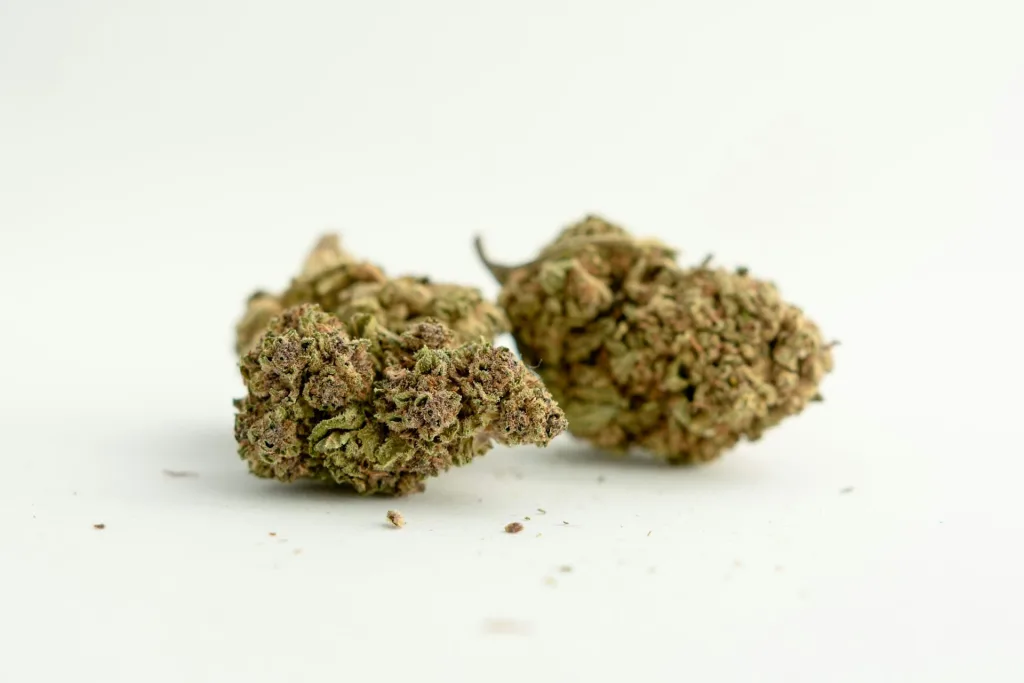
Some people prefer CBD in flower form rather than oil. CBD-dominant strains are bred to have very high CBD and very low THC, so you get the plant profile without much of a psychoactive effect. If that’s an approach you’re curious about, our Premium Flower (AAA) selection includes some options worth checking out. The same quality rules apply: look for clear labelling of cannabinoid content and a product that’s been properly cured and stored.
Red flags worth knowing
A few things that should make you pause before buying any CBD oil:
- No COA available, or the brand makes it hard to find one
- Unrealistic claims about what the oil will do for you
- No milligram breakdown, just a percentage on the label
- Very low price with no explanation of what’s in it
- Carrier oil not listed
Good CBD oil isn’t always cheap, but it should always be transparent. If the brand is proud of their product, they’ll make the information easy to find.
Frequently asked questions
What’s the difference between hemp-derived and cannabis-derived CBD oil?
Both come from the same plant species, just different varieties. Hemp-derived CBD oil comes from plants bred to have very low THC. Cannabis-derived CBD oil can come from a wider range of plants. In Canada, both can be sold as regulated products, what matters most is the cannabinoid content on the label and whether there’s a COA to back it up.
Does CBD oil in Canada have to contain THC?
No. Broad-spectrum and isolate CBD oils are specifically made to have THC removed or excluded. If you want zero THC, look for one of those two types and confirm it on the COA.
How do I know if the CBD amount on the label is accurate?
That’s exactly what a third-party COA is for. It’ll show the tested CBD content versus what’s claimed on the label. A reputable brand will have matching numbers. If there’s a big gap between the label claim and the tested amount, that’s a sign of a quality control problem.
What concentration of CBD oil should a beginner start with?
Lower concentrations give you more room to find what works for you without overshooting. Something in a lower mg-per-mL range lets you adjust more precisely. The product pages list the strength of each oil, and buyer reviews show what’s getting good feedback.
Is CBD oil the same as hemp seed oil?
No, and this one trips people up. Hemp seed oil is pressed from hemp seeds and contains little to no CBD. It’s used as a carrier oil in some CBD products, but it’s not a CBD product itself. Always check that the label specifies CBD content in milligrams, not just “hemp oil.”
Can I travel within Canada with CBD oil?
Cannabis products, including CBD oil, are subject to rules around transport and quantities. For the most current and accurate info on travelling with cannabis in Canada, the best source is directly from the government rather than a retailer.