What Are Cannabinoids? A Field Guide for Top-Shelf Buyers
Key takeaways
- Cannabinoids are the active compounds in weed. THC and CBD are the famous two, but there’s a whole cast behind them.
- THC is what gets you high. CBD doesn’t, and the lesser-known ones each add their own twist to the buzz.
- How a plant is dried, cured and stored changes its cannabinoids over time, which is why fresh top-shelf bud hits different than old, dry stuff.
- A big THC number isn’t the whole story. The mix of cannabinoids and terpenes is what makes something actually good.
Cannabinoids are the active ingredients in cannabis, the compounds that give weed its high and its effects. THC and CBD are the two everyone knows, but the plant makes dozens of them, and each one plays a different role in how a batch of flower or a dab of rosin actually feels.
If you’ve ever stared at a label full of acronyms and wondered what any of it means for the bud in your jar, this is the plain-English version. No textbook talk. Just what these compounds are, why they matter, and how they help you pick better.
What are cannabinoids, really?
Think of the cannabis plant as a little factory. As it grows, it builds up sticky resin on the flower, packed with two main kinds of stuff: cannabinoids and terpenes. Cannabinoids are the compounds that drive the high and the felt effects. Terpenes are the aroma oils that give each strain its smell and flavour, and they shape the vibe too.
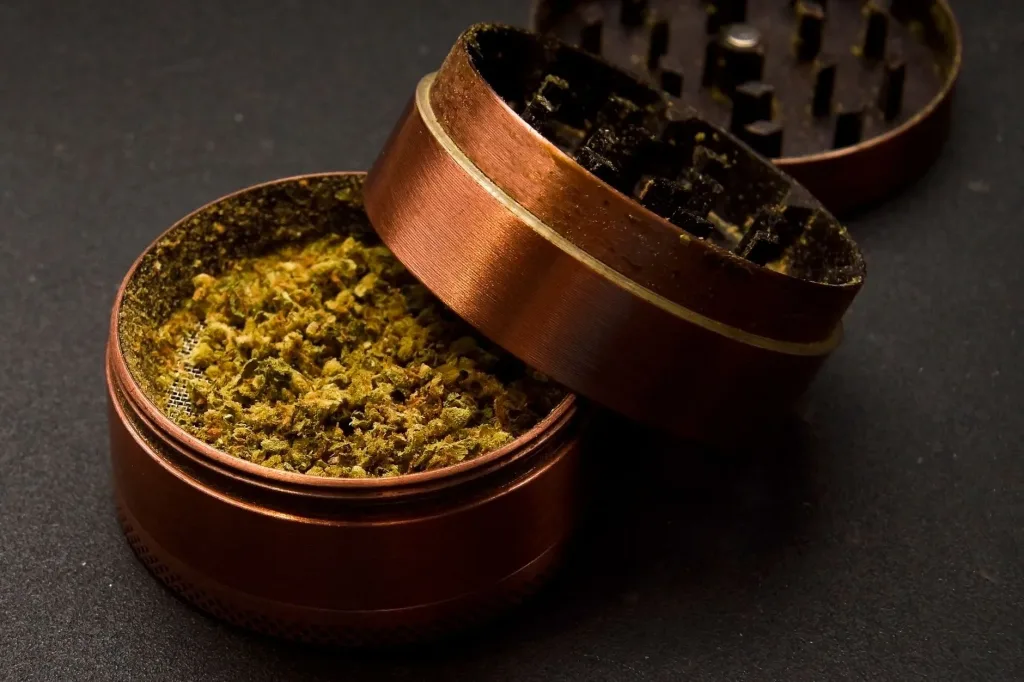
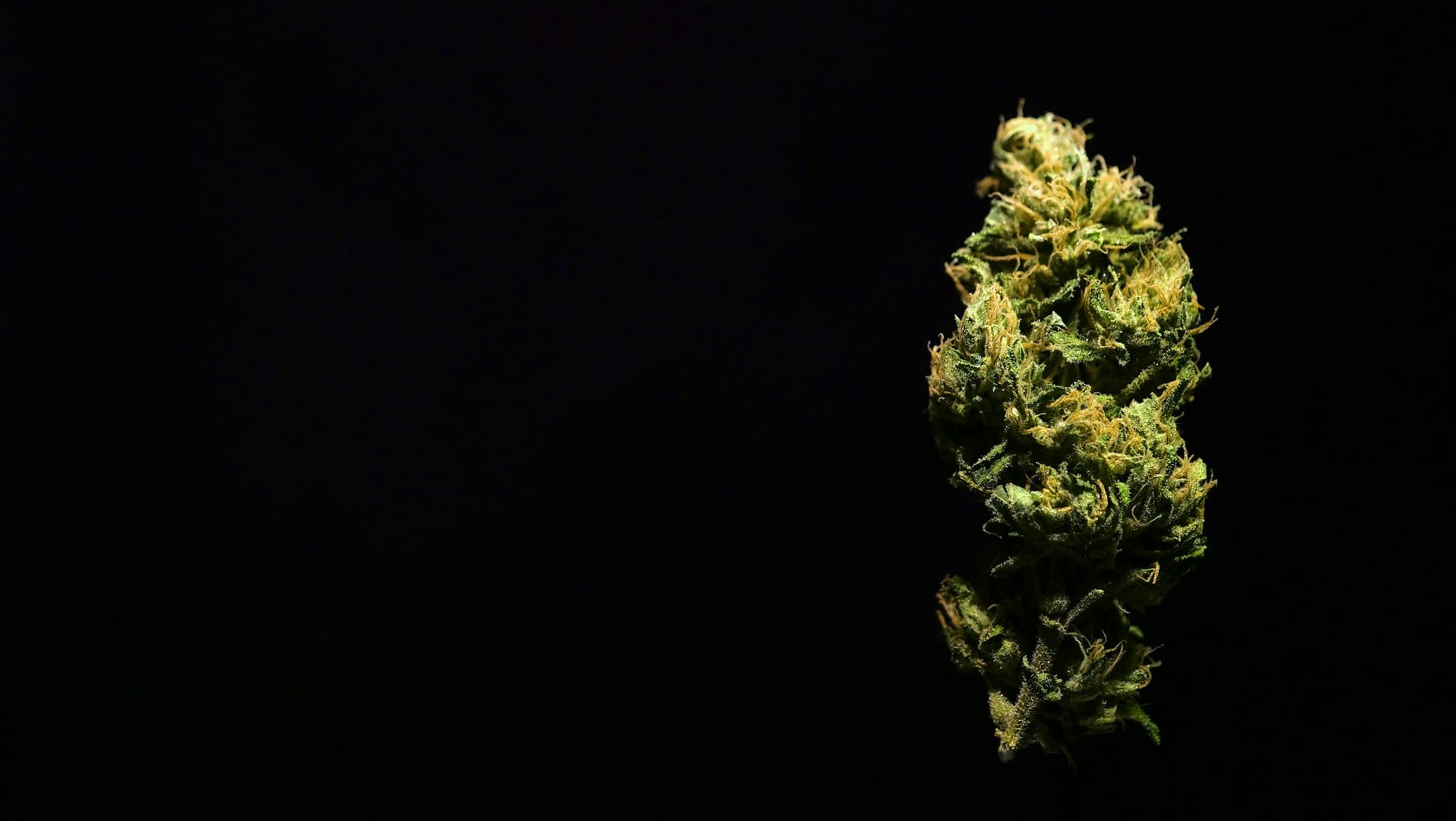
The plant makes cannabinoids in the tiny frosty crystals on the bud. Those crystals are called trichomes, basically microscopic resin heads that look like frost or sugar. When you see a bud that’s caked in white and glistening, that’s a jar full of trichomes, and that’s where all the good stuff lives.
Here’s the part that trips people up: the fresh plant doesn’t actually make THC or CBD directly. It makes acid versions first, and heat converts them into the active forms you feel. More on that below, because it matters a lot for how you use your weed.
The two you already know: THC and CBD
THC, the one that gets you high
THC is the main event for most people. It’s the compound responsible for the head buzz, the body feel, the giggles, the couch-lock, all of it. When a label lists a THC percentage, it’s telling you roughly how much of that compound is in the flower.
Higher THC generally means a stronger hit, but it’s not a straight line. A well-grown, well-cured bud at a moderate THC number can easily feel better and cleaner than a harsh, rushed batch with a bigger number on the sticker. Potency is real, but it’s only one piece.
CBD, the one that doesn’t
CBD is the other big name, and the short version is that it won’t get you high. People reach for it for a mellower, clear-headed feel, and it’s the backbone of most non-intoxicating products. When THC and CBD show up together in a strain, the buzz often feels rounder and less racy than THC on its own.
If CBD-forward stuff is your lane, our CBD Essentials section is a good place to look around.
The raw acid forms: THCA and CBDA
This is where the “the plant makes acids first” bit comes back. On the living, fresh plant, THC exists as THCA, and CBD exists as CBDA. That extra “A” stands for acid, and those acid forms don’t get you high on their own.
To turn THCA into THC, you need heat. That’s exactly what happens when you spark a joint, hit a vape, or dab a concentrate. The flame or the heating element converts the acid into the active form on the spot. It’s also why raw flower won’t do much if you just eat it plain, and why edibles are made with heated, activated cannabis.
Tip: When you see a big THCA number on a flower label, that’s the potential THC once you heat it. It’s a sign the bud is loaded, but it only turns into a high when you burn or vape it.
Want the deeper cut on this? We break it down in our guides on THCA, the raw form and CBDA.
The supporting cast: CBG, CBN, THCV and more
Beyond the big two, the plant makes a bunch of minor cannabinoids in smaller amounts. They don’t dominate the label, but they colour the experience.
- CBG is sometimes called the mother cannabinoid because the plant uses it early on to build the others. It’s non-intoxicating and pretty rare in high amounts.
- CBN shows up as weed ages. When THC sits around and breaks down over time, some of it turns into CBN. That’s part of why old, oxidized bud feels different than fresh flower. We cover CBN and ageing in its own guide.
- THCV is one of the rarer ones. It’s usually present in tiny amounts and can add a lighter, snappier edge to certain strains.
You won’t find most of these listed in big numbers on a flower jar, and that’s normal. They work in the background, part of the full mix that makes one strain feel distinct from another.
Why curing and storage change the cannabinoids in your jar
This is the part serious buyers care about, and it’s where a lot of the difference between top-shelf and average bud comes from.
After harvest, flower gets dried and then cured, which means resting it in controlled conditions so it settles into its best form. A slow, careful cure keeps the trichomes intact, holds onto the aroma, and gives you a smooth smoke. A rushed dry job leaves you with harsh, grassy bud that smells like hay and hits rough, no matter what the THC number says.
Once you’ve got good flower, storage keeps it good. Cannabinoids and terpenes break down when they’re exposed to heat, light and air. Leave a jar on a sunny windowsill and the THC slowly degrades, some of it turning into CBN, and the terpenes fade. The bud goes dry, the smell flattens, and the high shifts and weakens.
How to keep your flower at its best
- Store it in an airtight glass jar, not a plastic baggie that leaks air and static.
- Keep it somewhere cool, dark and dry. A drawer or a cupboard beats a windowsill every time.
- Don’t over-dry it. If bud gets crispy, the smoke turns harsh and the flavour drops off.
- Buy in amounts you’ll actually get through while it’s fresh, or grab in bulk and keep the extra sealed and stashed properly.
Potency vs the full picture: reading a label like a pro
New buyers chase the highest THC number. Experienced folks look at the whole label. Here’s a quick way to think about what you’re seeing.
| On the label | What it tells you | What it doesn’t |
|---|---|---|
| THC / THCA % | Roughly how strong the high can be | How smooth, tasty or clean it’ll actually feel |
| CBD % | Whether you’ll get a mellower, clearer edge | Anything about flavour or aroma |
| Terpene content | The smell, flavour and overall vibe | Raw potency |
| Harvest / packaged date | How fresh it likely is | How it was stored after packaging |
The label is a starting point. Two batches at the same THC number can feel worlds apart depending on the cure, the terpenes and how fresh they are. If you’re browsing, our Premium Flower (AAA) shelf is where the well-cured, top-shelf batches land.
Concentrates: cannabinoids in concentrated form
Concentrates like hash, rosin and distillate are just cannabinoids and terpenes pulled out of the plant and packed into a smaller, stronger form. Because you’re stripping away the plant material, the potency climbs, and a little goes a long way.
There’s a real split in how concentrates keep the full mix versus focus on one thing:
- Rosin and quality hash hold onto the full range of cannabinoids and terpenes from the flower, so they taste and feel closer to the strain they came from.
- Distillate is stripped down to mostly pure THC, which makes it super potent but flatter in flavour on its own.
If you want to understand that trade-off before you buy, our guide on full spectrum vs distillate lays it out. The short version: full-spectrum keeps the whole team on the field, distillate benches everyone but the star.
Frequently asked questions
What are cannabinoids in simple terms?
They’re the active compounds in cannabis. THC and CBD are the two big ones, and there are dozens of smaller ones. THC gets you high, CBD doesn’t, and the rest add their own subtle spin to how a strain feels.
Does a higher THC number mean better weed?
Not always. A high number means more potential potency, but a rushed, poorly cured batch with a big number can smoke harsh and taste flat. Cure, freshness and terpenes matter just as much as the raw percentage.
Why do I have to heat cannabis to feel it?
Fresh flower carries THCA, the acid form, which doesn’t get you high on its own. Heat from a joint, vape or dab converts it into active THC. That’s why raw bud does little if you just eat it, and why edibles use heated, activated cannabis.
Do cannabinoids break down over time?
Yes. Heat, light and air slowly degrade them. Some THC turns into CBN as flower ages, terpenes fade, and the bud dries out. Airtight glass in a cool, dark spot keeps it fresh far longer.
Are concentrates just stronger cannabinoids?
Basically. Hash, rosin and distillate pull the cannabinoids and terpenes out of the plant and concentrate them, so the potency jumps and you use much less. Rosin and good hash keep the full flavour, while distillate leans toward pure strength.
Which cannabinoid is right for me?
That comes down to what you’re after. Want a strong high? Look at THC-forward flower or concentrates. Want something mellow and clear? CBD-forward products. The best move is telling us the vibe you’re chasing and letting us point you at the right shelf.
Cannabinoids are the whole reason cannabis does what it does, and once you know how they work, the labels stop being a wall of acronyms and start being a map. Write to us and tell us what you like, and we’ll help you find the batch that fits.