What Is CBN? The Connoisseur’s Guide to Cannabis’s Ageing Cannabinoid
Key takeaways
- What is CBN? It’s cannabinol, a cannabinoid that forms when THC breaks down over time through exposure to heat, light, or air.
- CBN is mildly psychoactive, but far less potent than THC, older or poorly stored flower tends to have more of it.
- It’s usually present in low amounts in fresh flower, but shows up more in aged stock, certain extracts, and purpose-made products.
- How you store your cannabis directly affects how much THC converts to CBN, proper storage keeps that conversion slow.
- CBN products are worth understanding before you buy, so you know what you’re actually getting.
CBN, short for cannabinol, is a cannabinoid that forms when THC ages and breaks down. It’s not something the plant makes directly in large amounts, it’s more of a byproduct of time, heat, and exposure to air or light.
What is CBN, exactly?
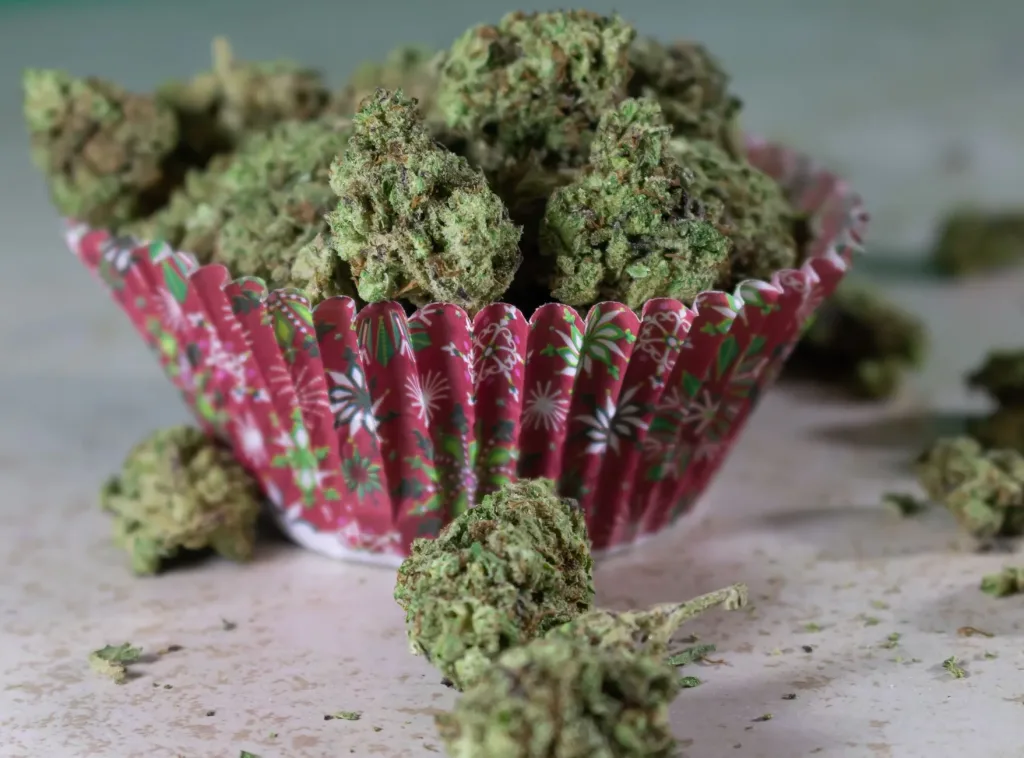
To get into how cannabinol forms, you need to know a bit about how cannabinoids work in general. The cannabis plant produces THC inside the trichomes, those tiny, sticky, crystal-like structures you can see coating good flower. When the plant is harvested and the bud starts aging, the THC molecules gradually oxidise. That means they react with oxygen in the air, and the molecular structure changes. What you’re left with is CBN.
Think of it like this: fresh flower has very little CBN. Old flower that’s been sitting around, or bud that got stored somewhere warm and bright, will have noticeably more. It’s basically a signal that the THC has started to degrade.
CBN is mildly psychoactive. It can produce a subtle effect on its own, but it’s considerably weaker than THC. So if you’ve ever smoked really old weed and felt like the high was flat or just kind of heavy and dull rather than sharp and clear, that’s partly what’s going on. You’re getting less active THC and more CBN.
How CBN is different from THC and CBD
THC is the main cannabinoid responsible for the psychoactive high you feel. CBD is non-intoxicating and is found in abundance in certain strains and hemp-derived products. CBN sits somewhere in between, it has some mild psychoactive character, but it’s not going to hit you the way a strong THC strain does.
The key difference is where each one comes from. THC and CBD are both produced directly by the plant through its natural chemistry. CBN is mostly a degradation product. The plant doesn’t set out to make it. If you see high CBN levels in a product, it usually means either the source material was aged intentionally, or the extraction and storage process was designed to encourage that conversion.
| Cannabinoid | Where it comes from | Psychoactive? | Notes |
|---|---|---|---|
| THC | Produced directly by the plant | Yes, strongly | Degrades into CBN over time |
| CBD | Produced directly by the plant | No | Stable; doesn’t convert to CBN |
| CBN | Forms as THC breaks down | Mildly | Increases with age, heat, light, air |
If you’re curious about other minor cannabinoids and how they fit into the picture alongside CBN, CBC is another one worth knowing about.
What CBN actually feels like
Most people who’ve tried CBN-forward products describe the experience as mellow and physically heavy rather than mentally stimulating. It’s not really a high that gets your mind going. It’s more of a body-forward, slow kind of buzz. Some people actively seek that out. Others find it underwhelming compared to what a well-preserved, high-THC strain delivers.
Because CBN tends to appear alongside degraded THC, the overall potency of old or poorly stored flower usually feels lower even if the total cannabinoid percentage looks similar on paper. The kind of effect you get from a fresh, properly cured top-shelf bud is genuinely different from what you get from old stock, and CBN is a big part of why.
Why storage matters so much here
If you’ve spent real money on good flower, you want to protect it. THC converts to CBN faster when it’s exposed to light, heat, and oxygen. A tight glass jar in a cool, dark spot is still the gold standard. Plastic bags let air through over time. Leaving your stash on a sunny windowsill or near a heat source will speed up that degradation noticeably.
This is also why a well-cured flower, one that’s been dried and finished properly before it hits the shelf, holds its potency better in storage. The moisture content is stable, and the trichomes stay intact longer. Sloppy curing doesn’t just affect flavour and smell. It affects how well the THC holds up over time, and by extension, how much CBN you end up with before you’re even halfway through the bag.
For concentrates like rosin and live resin, the same principle applies. Proper storage in a cool, dark environment keeps the cannabinoid profile closer to what it was at the time of extraction. Full-spectrum products especially benefit from careful storage, since they contain a wide range of cannabinoids and terpenes that can all degrade if you’re not careful.
CBN products: what’s out there
You’ll see CBN showing up in a growing number of products, tinctures, oils, and capsules are probably the most common formats. These are usually made by taking a CBN-rich extract and combining it with other cannabinoids. Some brands blend it with CBD, some with low doses of THC, depending on the effect profile they’re going for.
If you’re interested in trying something CBN-forward, Shop Tinctures to see what we’ve got in. Tinctures are a straightforward format, you know what’s in them, and you can adjust how much you use without a lot of guesswork.
One thing to keep in mind: a product marketed heavily around CBN isn’t necessarily more potent or better than something that leads with THC or a full-spectrum blend. It’s just a different cannabinoid with a different character. Worth trying if you’re curious, but go in knowing what you’re looking for rather than just chasing a trend.
Frequently asked questions
Does CBN get you high?
It can produce a mild effect, but it’s much weaker than THC. Most people describe it as a dull, heavy feeling rather than a clear or energetic high. If you’re after strong psychoactive effects, CBN on its own isn’t going to deliver that.
Is CBN the same as CBD?
No. They’re both cannabinoids, but they’re chemically different and they come from different places. CBD is made directly by the plant in large amounts. CBN forms when THC degrades over time. Their effects are also different, CBD is non-intoxicating, while CBN has some mild psychoactive character.
Does old weed have more CBN?
Yes, generally. The longer flower sits around, especially if it’s been exposed to air, light, or heat, the more THC converts to CBN. This is why well-stored flower in a sealed, cool, dark container holds its potency better than something that’s been sitting in a bag for months.
How do I know if a product has CBN in it?
Check the label or the product page for cannabinoid content. Regulated cannabis products sold in BC list their cannabinoids, so you can see if CBN is present and at what general level. If a product is specifically marketed as a CBN product, it’ll usually say so clearly.
Is CBN found in concentrates?
It can be, particularly in concentrates made from older or aged starting material, or in products where the extraction process involved heat over a longer period. Fresh-frozen extracts like live rosin tend to have very low CBN since the plant material is processed quickly after harvest, preserving the original cannabinoid profile.
Should I avoid high-CBN flower?
Not necessarily, it depends on what you’re after. If you want maximum potency and a sharp, strong high, then yes, fresh flower with intact THC is what you want. If you’re after a more relaxed, mellow experience and the milder effect of CBN suits that, it’s a reasonable choice. It’s more about knowing what you’re buying than avoiding it outright.