What Is CBC? The Connoisseur’s Guide to Cannabichromene
Key takeaways
- CBC (cannabichromene) is one of the most abundant cannabinoids in cannabis, yet most buyers have never heard of it.
- It doesn’t get you high on its own, but it’s active in your body and plays a role in how a full-spectrum product feels overall.
- CBC and THC share the same chemical origin inside the plant, branching off from a compound called CBGA.
- You’ll find the most CBC in young, fresh cannabis and in well-made full-spectrum extracts, not in isolated or distillate products.
- Understanding CBC helps you make smarter picks when you’re shopping for more than just a THC number.
CBC, short for cannabichromene, is one of the major cannabinoids found in the cannabis plant. It won’t get you high on its own, but it’s there in meaningful amounts in good flower and full-spectrum extracts, quietly contributing to the overall character of what you’re smoking or taking.
What is CBC, exactly?
To understand what is CBC, start here: it’s a naturally occurring cannabinoid, meaning it’s one of the chemical compounds the cannabis plant produces in its resin glands (those are the sticky, crystal-like structures you can see on well-cured bud, called trichomes). CBC is non-intoxicating on its own, so it won’t produce a high by itself the way THC does.
It’s actually one of the more abundant cannabinoids in cannabis alongside THC, CBD, and CBG. Most people have heard of those three. CBC tends to get left out of the conversation, partly because it doesn’t have a dramatic effect you’d notice on its own, and partly because a lot of processed products strip it out. But it’s there in good flower, and knowing about it puts you ahead of buyers who are only reading the THC percentage.
If you want to get up to speed on what cannabinoids actually are and how they fit together, that’s a solid starting point before going deeper here.
Where does CBC come from inside the plant?
Here’s a bit of plant chemistry that’s actually worth knowing. All the major cannabinoids in cannabis start from the same place: a compound called CBGA (cannabigerolic acid). Think of CBGA as the mother compound. The plant’s own enzymes then convert CBGA into different cannabinoid acids depending on the genetics and conditions. One of those conversion pathways produces CBCA (cannabichromenic acid), which is the raw, acidic form of CBC. When the plant is harvested and the flower is dried or heated, CBCA converts to CBC.
This is the same general process that turns THCA into THC and CBDA into CBD. If you’ve read about how CBG works you’ll recognise the pattern. CBG, CBC, THC, and CBD all trace back to that same starting compound.
One practical thing to know: CBC tends to be higher in younger cannabis plants. As a plant matures, more of the CBGA gets routed toward THC and CBD production. So a very ripe, high-THC plant often has less CBC than a younger one. This is one reason why the cultivar (the strain) and the harvest timing matter to what ends up in your final product.
Does CBC actually do anything you’d notice?
By itself, no, not in the way THC does. CBC isn’t intoxicating, so if you took a product with only CBC in it, you wouldn’t feel a strong high. But “not intoxicating on its own” doesn’t mean it’s doing nothing.
CBC interacts with receptors in the body that are different from the main ones THC binds to. Your body has what’s called an endocannabinoid system, basically a network of receptors that responds to cannabinoids. THC plugs directly into the main receptors in that system (called CB1 receptors) and that’s what produces the high. CBC tends to interact more with other receptor types rather than CB1, which is part of why it doesn’t get you high.
Where CBC gets interesting is in the context of a full-spectrum product. When multiple cannabinoids are present together, they can influence each other in ways that change how the overall experience feels. This is often called the entourage effect, the idea that the whole plant’s chemistry does more than any single isolated compound on its own. CBC is one of the supporting players in that picture.
CBC vs. CBD vs. CBG: what’s the difference?
| Cannabinoid | Intoxicating? | Where it’s most abundant | Found in distillate? |
|---|---|---|---|
| THC | Yes | Mature flower, concentrates | Yes (it usually is the distillate) |
| CBD | No | Hemp strains, some cannabis flower | Often, as a CBD isolate or distillate |
| CBG | No | Young plants, some dedicated cultivars | Rarely |
| CBC | No | Young plants, fresh flower, full-spectrum extracts | Almost never |
The short version: CBC and CBD are both non-intoxicating, but they’re structurally different compounds that interact with the body differently. CBC and CBG are both considered “minor” cannabinoids in the sense that they don’t dominate the headlines, but both are present in meaningful amounts in well-grown, well-handled flower.
Where you’ll actually find CBC in products
This is the practical part. If you’re buying a THC distillate vape or a highly refined isolate product, you’re almost certainly not getting any CBC. Distillation is a process that isolates specific compounds, and CBC usually doesn’t make it through. You’d be getting pure THC, or pure CBD, depending on the product.
If you want CBC, you want full-spectrum products. Full-spectrum means the extract was made to preserve the whole range of cannabinoids and terpenes (terpenes are the aromatic compounds that give different strains their distinct smells). A good full-spectrum tincture, for example, should contain not just THC or CBD but also smaller amounts of CBG, CBC, and the other supporting cannabinoids that were in the original plant.
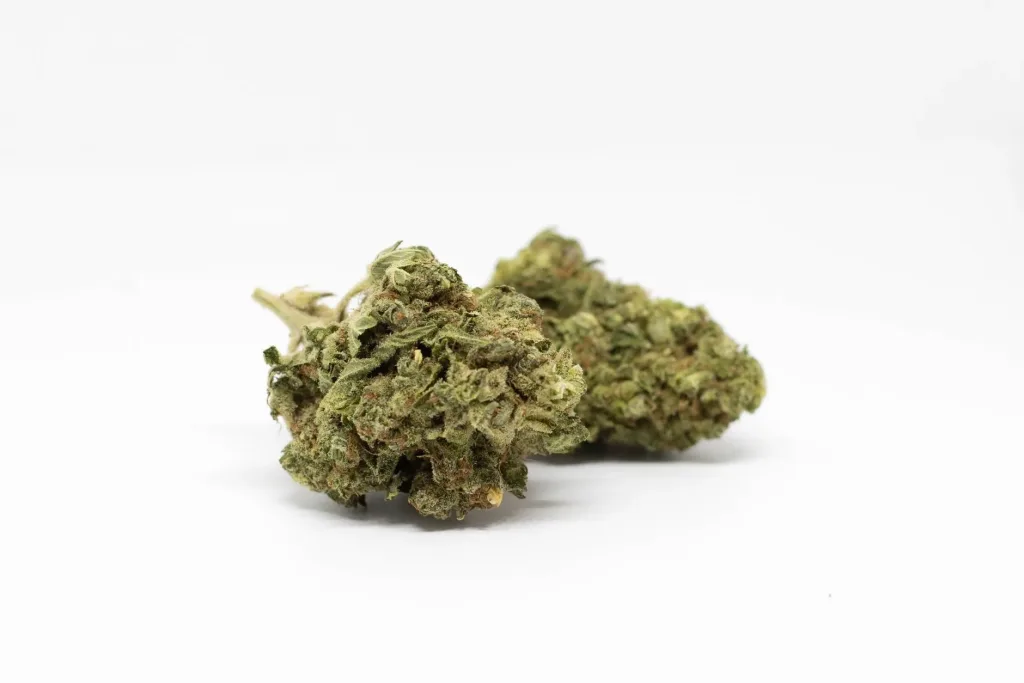
Fresh, well-cured flower is another good source. A properly grown and cured bud preserves more of its original cannabinoid profile than flower that’s been sitting around or improperly stored. This is one of the reasons curing and storage actually matter to serious buyers, not just for flavour, but for what’s chemically still in the product when you use it.
If you’re looking for something where the full cannabinoid picture is preserved, Shop Tinctures and look for full-spectrum on the label.
Tip: When you’re reading a product’s Certificate of Analysis (COA), a lab report that shows the cannabinoid breakdown, look for CBC listed alongside CBD and CBG. Its presence is a good signal that the product was made to preserve the plant’s full chemistry rather than strip it down.
Why CBC matters to a serious buyer
If you’re shopping by THC percentage alone, you’re leaving a lot of the picture on the table. The cannabinoid profile of a product, meaning the full mix of compounds present, shapes what that product is like to use. CBC is a piece of that profile. It’s not the star of the show, but good flower and well-made full-spectrum extracts carry it, and budget or heavily processed products often don’t.
Knowing about CBC is part of learning to read a product beyond just the big number on the label. The same goes for understanding how CBG works or what THCA and CBDA are doing before the plant gets processed. The more of that picture you have, the better your picks get.
Frequently asked questions
Does CBC get you high?
No, not on its own. CBC is non-intoxicating, meaning it won’t produce a high the way THC does. It can be part of a product that contains THC, in which case the THC is what you’d feel, but CBC itself doesn’t cause intoxication.
Is CBC the same as CBD?
No. They’re both non-intoxicating cannabinoids, but they’re distinct compounds with different structures and different ways of interacting with your body. CBD gets a lot more attention because it’s found in high concentrations in hemp and is widely sold on its own. CBC is usually present in smaller amounts alongside other cannabinoids.
What products contain CBC?
Fresh, well-cured cannabis flower and full-spectrum extracts are your best bet. Highly processed products like THC or CBD distillate typically contain little to no CBC, because the refining process removes it.
How do I know if a product has CBC in it?
Check the Certificate of Analysis (COA), which is the lab report for the product. A full-panel COA will list cannabinoid concentrations including CBC, CBG, and others, not just THC and CBD. Reputable producers make these available.
Is CBC found in hemp as well as cannabis?
Yes. CBC is produced by the hemp plant as well, since hemp and cannabis are the same species. Products made from full-spectrum hemp extract can contain CBC alongside CBD and other cannabinoids.
Why don’t more products advertise CBC?
Because most buyers are still focused on THC and CBD numbers, so brands market what sells. As more buyers start paying attention to the full cannabinoid profile, you’ll likely see CBC mentioned more often on labels and in product descriptions. For now, checking the COA is the most reliable way to know what’s actually in there.