What Is THCA? The Connoisseur’s Guide to Cannabis’s Raw Cannabinoid
Key takeaways
- THCA is the raw, non-intoxicating form of THC found in fresh, unheated cannabis flower.
- Heat converts THCA into THC through a process called decarboxylation, that’s what happens when you light a joint or vape your flower.
- The THCA number on a lab panel is usually the most accurate way to predict how strong a flower will actually feel.
- High THCA doesn’t automatically mean better weed, but it’s a reliable indicator of potency potential in flower and concentrates.
- Understanding THCA helps you read product labels properly and pick something that matches what you’re actually after.
THCA, tetrahydrocannabinolic acid, is the raw, unactivated compound that eventually becomes THC once heat is applied. If you’ve ever looked at a cannabis lab panel and wondered why the THCA number is so much bigger than the THC number, this is exactly why.
What is THCA, really?
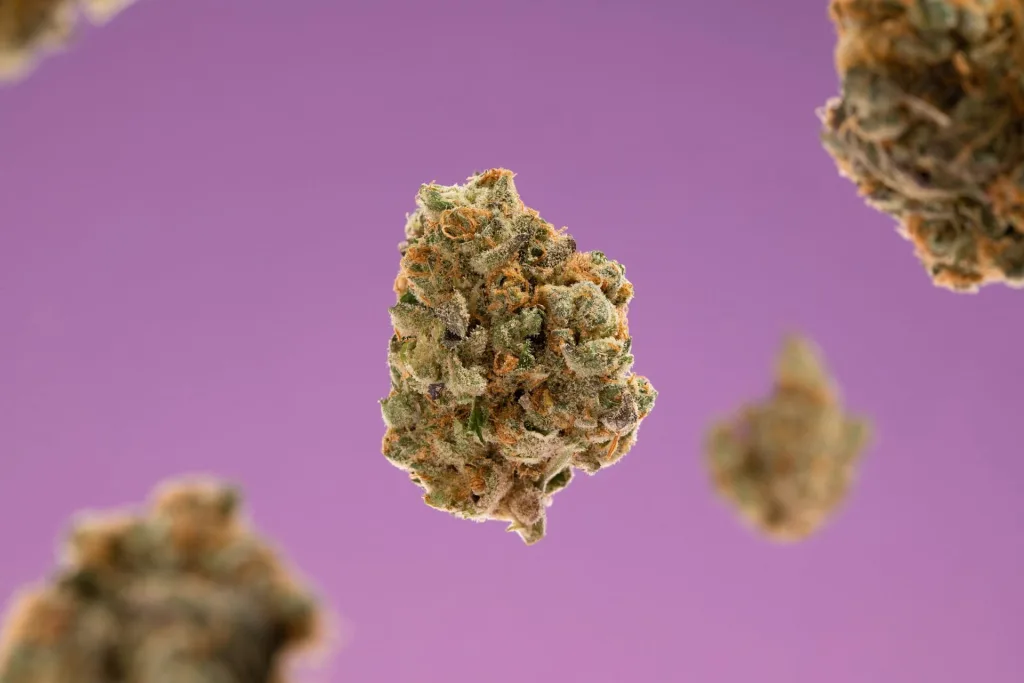
Fresh cannabis flower doesn’t contain much THC at all. What it’s packed with is THCA. The plant makes THCA as it grows and develops those sticky, resin-covered structures on the buds called trichomes (basically the crystal coating you can see on good flower). THCA is the precursor, the raw material. THC is what it becomes after heat does its job.
On its own, THCA doesn’t produce the intoxicating effects most people associate with cannabis. You’d need to heat it first. That conversion process is called decarboxylation, or “decarbing” for short. All it means is that heat knocks a small molecule (a carboxyl group, if you want the chemistry) off the THCA, and what’s left is active THC. Light a joint, take a vape hit, use a dab rig, any of those instantly decarbs the THCA and activates it.
You can find a more detailed breakdown of how cannabinoids work if you want the bigger picture, but for now, just know that THCA and THC are essentially the same molecule in two different states: raw and activated.
How to read THCA on a lab panel
Most quality cannabis products come with a certificate of analysis, a lab report showing the cannabinoid breakdown. Here’s where people get confused: you’ll often see a small THC number and a much larger THCA number. That doesn’t mean the flower is weak. It means most of the THC hasn’t been activated yet, which is exactly what you’d expect in properly cured, unheated flower.
There’s a simple formula labs use to estimate “total THC potential”, it multiplies the THCA number by a conversion factor and adds the existing THC. You don’t need to memorise the math. The practical takeaway is this: the THCA percentage is your best guide to how potent the flower will feel when you smoke or vape it.
| What you see on the label | What it actually means |
|---|---|
| High THCA, low THC | Fresh, well-preserved flower, the good stuff. THC activates when heated. |
| Low THCA, higher THC | Some THCA has already converted, possibly from age, heat exposure, or improper storage. |
| High both THCA and THC | Less common; can happen with certain extraction or processing methods. |
Older flower, or flower that’s been stored badly (too warm, too dry, exposed to light), loses THCA over time as it slowly converts or degrades. So a dropping THCA number can actually signal that the bud is past its prime.
Why THCA matters for concentrates and hash
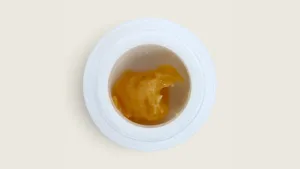
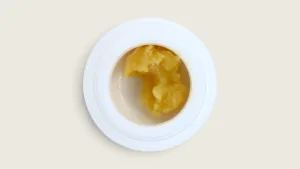
If you’re into concentrates, THCA becomes even more important to understand. Live rosin, bubble hash, and solventless extracts are often packed with THCA because they’re made at low temperatures specifically to preserve the raw compounds from the plant. The goal is to keep as much of that trichome material intact as possible before you apply heat yourself at the rig or vaporiser.
Some concentrates are actually sold as “THCA crystalline”, that’s essentially pure, isolated THCA that looks like coarse white crystals. It’s one of the most potent forms you’ll find. Heat it and you get nearly pure THC.
For a broader look at how the form of your extract affects what’s in it, the full-spectrum vs distillate breakdown is worth a read. Full-spectrum products keep THCA and other raw cannabinoids intact; distillates are typically processed past that point.
THCA versus THC: what’s the difference you’ll actually feel?
Once THCA converts to THC through heat, it behaves exactly like the THC you know. The high, the buzz, the body feel, all of that comes from active THC binding to receptors in your system. THCA before it’s activated won’t produce that.
There’s ongoing research into what THCA does in its raw form, but as a retailer we’re not going to get ahead of the science on that. What’s clear is that for smoked and vaped flower, and for dabbing concentrates, THCA is the number that matters most for predicting potency.
It’s also worth knowing that THCA isn’t the only cannabinoid that exists in a raw acid form. CBDA, the raw acid form of CBD, works the same way, the plant makes CBDA, and heat converts it to CBD. The acid forms are native to the plant; the activated forms are what you get after heating.
Does high THCA mean better weed?
Not automatically, no. Potency is one part of the picture. Terpenes, the aromatic compounds that give each strain its distinct smell and flavour, play a big role in the overall experience too. A flower with a slightly lower THCA but a rich, complex terpene profile is often a more satisfying smoke than something that’s just cranked on the THCA number alone.
That said, if potency is what you’re after, THCA is the number to look at. Anything with a strong THCA reading and a full terpene profile? That’s the sweet spot for a lot of people who really want the top-shelf experience.
If you’re ready to see what high-THCA flower actually looks like on a shelf, shop our Premium Flower (AAA) to see what’s available right now.
Tip: When you’re checking a label, add the THCA and THC percentages together for a rough sense of total potency. The THCA will dominate in fresh, properly stored flower, that’s a good sign.
Frequently asked questions
What is THCA in simple terms?
THCA is the raw form of THC that exists in fresh cannabis before any heat is applied. It converts to active THC when you smoke, vape, or dab it. On its own, without heat, it won’t produce an intoxicating effect.
Is THCA the same as THC?
They’re closely related but not identical. THCA is the precursor, the raw, unactivated version. THC is what THCA becomes after heat breaks off a small part of its chemical structure. In terms of potency potential, they’re directly linked.
Why is the THCA number usually higher than the THC number on flower?
Because fresh, properly stored flower hasn’t been heated yet, so most of the compound is still in its raw THCA form. That’s actually what you want to see. A very low THCA number could mean the flower is old or was stored poorly.
Does THCA get you high?
Not without heat. Raw THCA won’t produce the intoxicating effects of THC. Once you apply heat, lighting it, vaping it, dabbing it, the THCA converts to THC and then yes, you’ll feel it.
How do I use THCA to choose stronger flower?
Look at the THCA percentage on the lab panel. A higher THCA reading in fresh flower generally means more THC potential once it’s heated. Pair that with a product that has a strong smell (good terpenes) and you’re usually in good shape for a potent, flavourful experience.
What’s the difference between THCA and tetrahydrocannabinolic acid, are they the same thing?
Yes, exactly the same thing. THCA is just the abbreviation for tetrahydrocannabinolic acid. You’ll see both terms used, but they refer to the same raw cannabinoid found in fresh cannabis.